

The Australian Backyard is Changing
For generations, the Australian backyard symbolised freedom.
It was where families gathered, kids played cricket until the light faded, and weekends stretched long into the evening.
In Perth especially, the backyard has always been generous, wide blocks, deep setbacks, room to breathe. It wasn’t just land; it was lifestyle. Suburbs like Maylands, Mount Lawley, and Bayswater were built on this idea. Character homes on long blocks. Leafy streets. Space behind the house that was never meant to be maximised, just enjoyed. For decades, that balance worked.
But today, many of those same backyards sit largely idle. A lawn that gets mowed every fortnight. A shed full of things no one uses anymore. Land that quietly increases in value year after year, while offering very little back to the people who live there. In a city where land is one of the most valuable assets a household will ever own, that underuse is starting to feel less like tradition, and more like untapped potential.
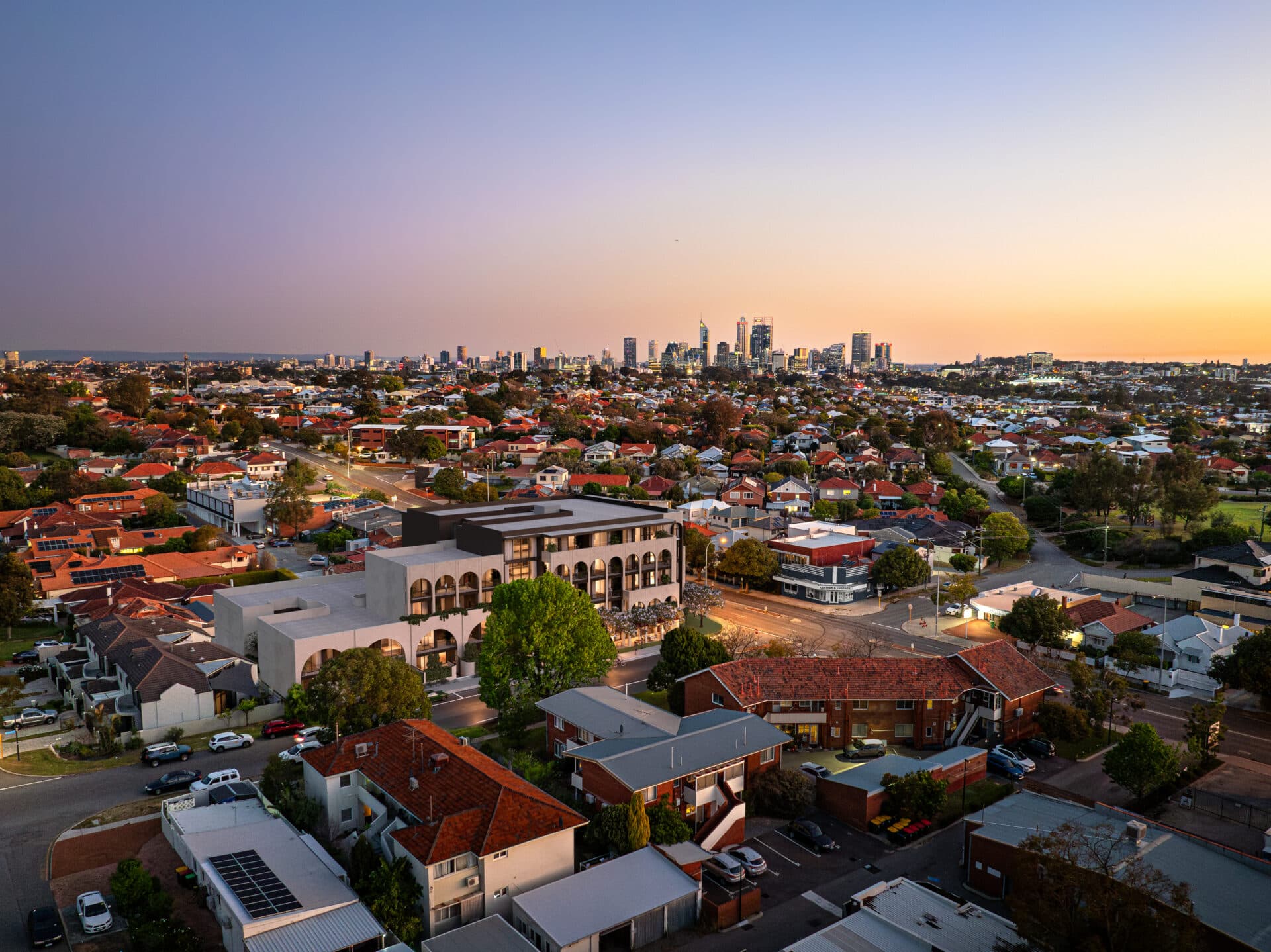
At the same time, Perth is under real housing pressure. Rental vacancy rates remain tight. Prices have climbed steadily. Adult children are staying home longer, not always by choice. Ageing parents want to remain close to family, but not dependent on them. Many households feel constrained, not because their homes are too small, but because their homes no longer adapt to the way life actually unfolds.
This tension is especially visible in established suburbs. In places like Victoria Park and Como, families are deeply connected to their neighbourhoods. They don’t want to move further out, trade character for convenience, or swap a backyard for a balcony. What they’re really seeking isn’t more house somewhere else, it’s more flexibility right where they are.
This is where a quiet but important shift is taking place.
Rather than sprawling endlessly outward or forcing density upward into apartment towers, Perth is increasingly turning inward. Gentle density, adding small, well-designed homes within existing residential lots, is emerging as one of the most practical and community-friendly ways for the city to grow. It’s an approach that works with the existing fabric of suburbs, rather than against it.
In neighbourhoods like Bayswater and Maylands, where lot sizes are often generous and infrastructure is already well established, this model makes particular sense. A carefully designed backyard home can add a dwelling without changing the street, without overwhelming neighbours, and without erasing the character that makes these areas so desirable in the first place.
South of the river, the same conditions exist. Suburbs such as Melville, Bull Creek, and Palmyra are filled with large, well-located blocks close to transport, schools, and services. These are established neighbourhoods, not places in need of reinvention, but places capable of absorbing thoughtful growth without losing what makes them work.
Backyard homes allow cities to increase housing supply in exactly these kinds of areas. Streets remain familiar. Infrastructure is already in place. Schools, hospitals, and transport don’t need to chase growth on the fringe. And families remain close, sometimes closer than they’ve been in years.
For homeowners, the benefits are often personal before they are financial.
A backyard home can provide an ageing parent with independence and dignity, while keeping family close enough to help when needed. It can give a teenager or adult child breathing room at a critical stage of life. It can host visiting family, become a quiet studio or home office, or evolve into a rental later on. The same space can serve different purposes as life changes.
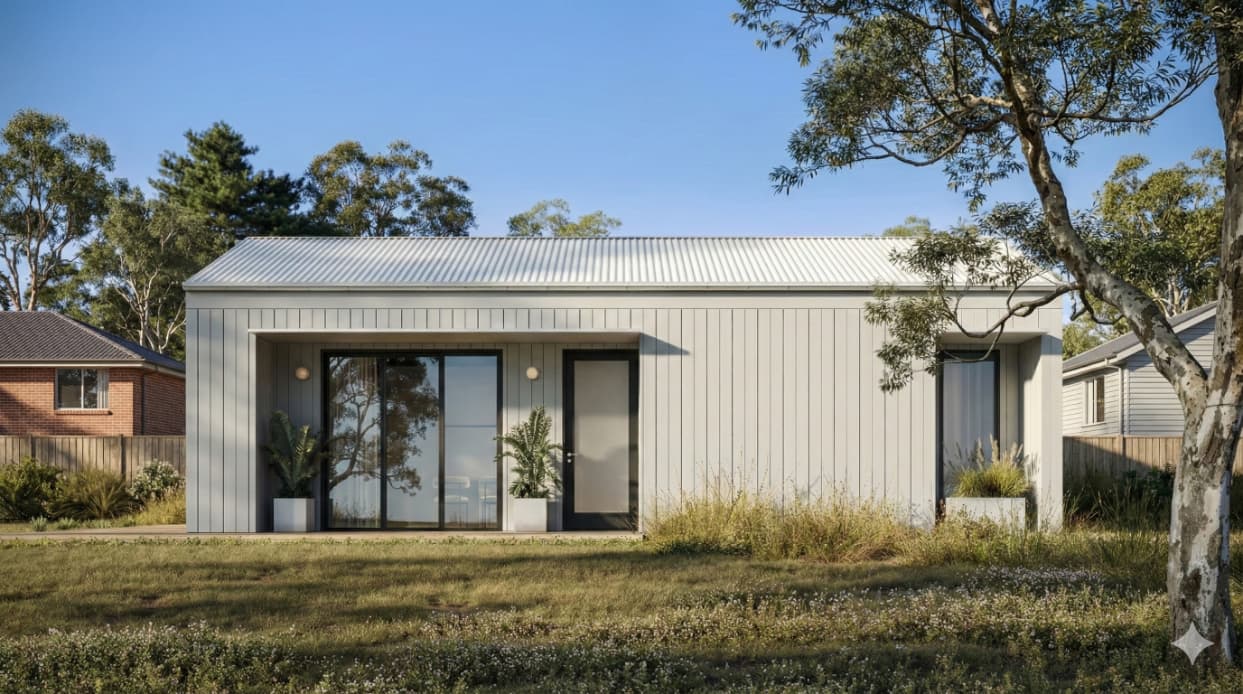
This is where design matters. A backyard home that feels temporary or compromised rarely gets used to its full potential. But a home that’s thoughtfully planned, with good light, privacy, and material quality, becomes a genuine extension of how a household lives. This is why modern backyard homes are increasingly being designed as real homes, not add-ons.
Planning reforms in Western Australia now actively support this shift. Secondary dwellings are easier to approve, simpler to deliver, and more viable than ever before. The state has effectively acknowledged what many homeowners already know: the backyard is no longer just private open space, it’s part of the housing solution.
CASA exists within this context. Our homes are designed specifically for Perth backyards and established suburbs, right-sized, design-led residences that work within current planning rules while prioritising comfort, longevity, and flexibility. Rather than treating a backyard home as a secondary afterthought, CASA approaches it as a carefully considered place to live, work, host, or support family over time.
This evolution doesn’t mean sacrificing what makes Perth special. It means adapting it. Across the inner north, the river precincts, and established southern suburbs, backyards are being reimagined, not as excess land, but as purposeful space. Space that works harder. Space that supports changing lives.
When designed thoughtfully, the evolution of the backyard doesn’t just respond to housing pressure.
It strengthens neighbourhoods, supports families, and allows Perth to grow in a way that still feels unmistakably like Perth.
It strengthens neighbourhoods, supports families, and allows Perth to grow in a way that still feels unmistakably like Perth.