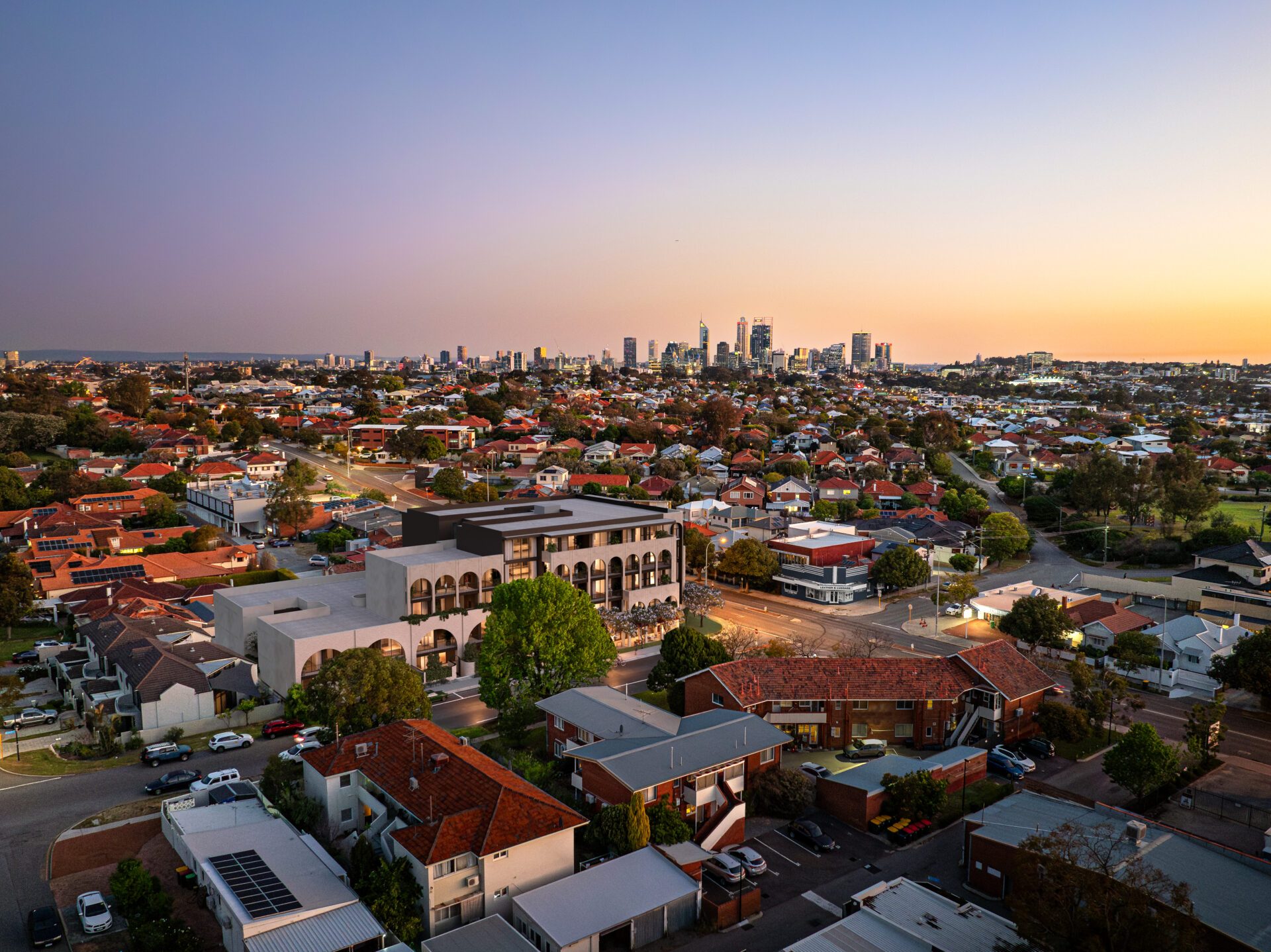
This is particularly relevant in established suburbs north and south of the river. In places like Victoria Park, Como, Melville, and Bull Creek, many properties sit on large, well-located blocks close to transport, schools, and services. These areas don’t need reinvention, they need smarter use of what’s already there.
At a broader level, this shift also aligns with how Perth needs to grow. Backyard homes add housing supply without changing streetscapes. They rely on existing infrastructure rather than stretching new roads, pipes, and services ever further outward. They support gentle density, growth that’s incremental, almost invisible, and far less disruptive than large developments.
Of course, not all backyard homes are created equal. Poorly designed secondary dwellings often feel temporary, cramped, or visually disconnected from the main house. They can compromise privacy, overshadow outdoor space, or look like an afterthought. When that happens, the opportunity is diminished, both for the homeowner and the neighbourhood.
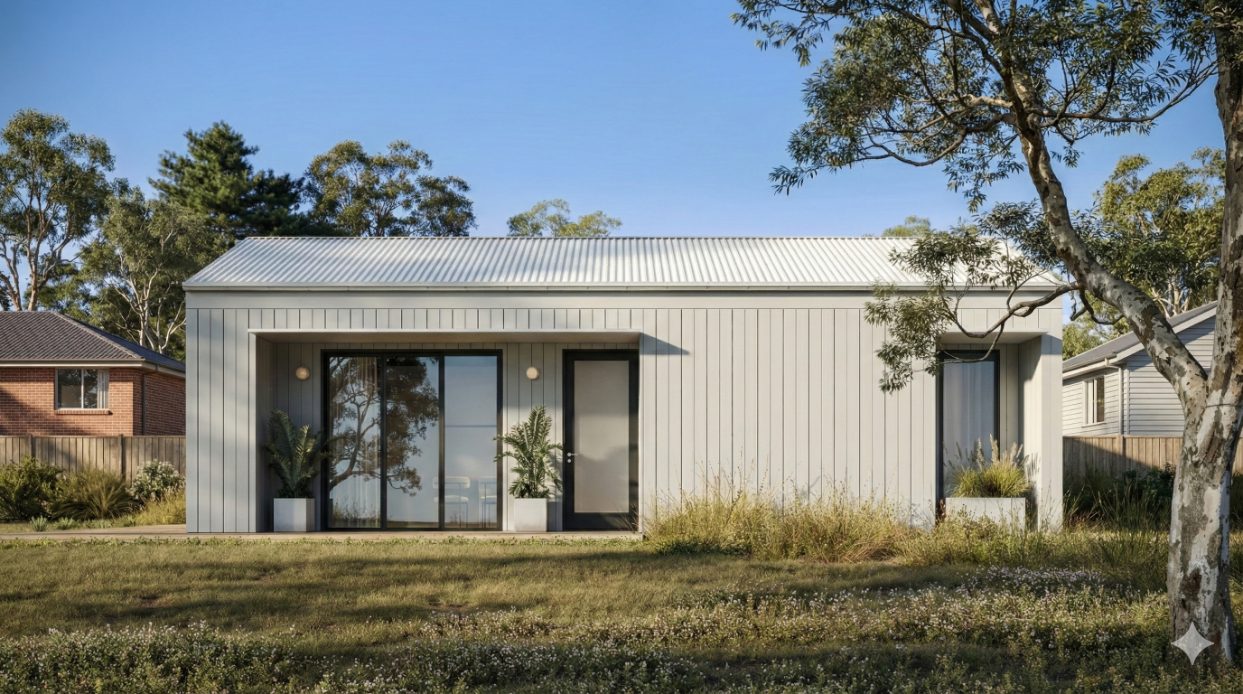
Well-designed backyard homes feel different. They’re planned with intention. They respect the scale of the main home. They prioritise light, privacy, and comfort. They feel like they belong, not just on the block, but in the suburb. This is where design quality becomes the difference between adding space and adding value.
CASA approaches backyard homes from this perspective. Rather than treating them as secondary structures, CASA homes are designed as permanent, high-quality dwellings, right-sized for Perth backyards and shaped around real uses over time. The focus isn’t on maximising floor area, but on creating homes that adapt as life changes, while sitting comfortably within established neighbourhoods.
When design, planning, and delivery align, the backyard stops being excess space. It becomes lifestyle infrastructure, something that supports family, flexibility, and long-term resilience.
In a city like Perth, where land has always been part of the promise of home ownership, unlocking your block isn’t about doing more.
It’s about doing better, with what you already have.